

Hey there! As a supplier of the DS7Z10C679A, I often get asked, "Can the DS7Z10C679A be used outdoors?" Well, let's dig into this question and find out.
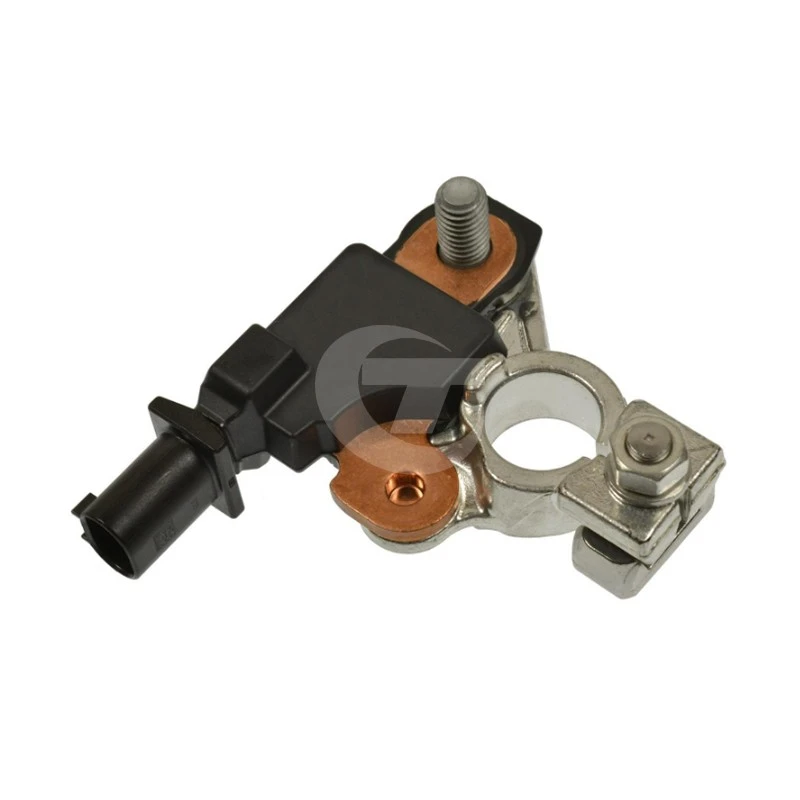
First off, let's get to know what the DS7Z10C679A actually is. The Negative Battery Cable Battery Sensor DS7Z10C679A for FORD F 150 FUSION LINCOLN MKZ is a crucial component in Ford vehicles. It's designed to monitor the battery's state, including its voltage, current, and temperature. This information is then sent to the vehicle's computer system, which uses it to manage the charging system and ensure the battery is performing optimally.
Now, when it comes to using the DS7Z10C679A outdoors, there are a few factors we need to consider.

Environmental Conditions
The outdoors can be a harsh place, with a wide range of environmental conditions. Temperature is one of the most significant factors. Extreme heat or cold can affect the performance and lifespan of the battery sensor.
In hot environments, high temperatures can cause the materials inside the sensor to expand, potentially leading to internal damage. Also, excessive heat can increase the rate of chemical reactions within the battery, which might cause inaccurate readings. On the other hand, in cold weather, the battery's capacity decreases, and the sensor may have trouble getting accurate measurements. The internal components of the sensor can become brittle in cold temperatures, which could lead to cracks and failures.
Another environmental factor is moisture. Outdoor areas are exposed to rain, snow, and humidity. If the DS7Z10C679A gets wet, it could short - circuit or corrode. Corrosion is a big problem because it can prevent the sensor from making proper electrical connections, leading to inaccurate readings or complete failure.
Physical Protection
When the sensor is used outdoors, it faces a higher risk of physical damage. For example, it could be hit by rocks, sticks, or other debris while the vehicle is moving. It might also be subject to vibrations and shocks as the vehicle travels over rough terrain. Without proper protection, these physical impacts can damage the sensor's housing or internal components.
The good news is that the DS7Z10C679A is built to withstand some level of environmental stress. Ford designs its vehicle components to be durable and reliable. However, this doesn't mean it can handle all possible outdoor conditions without any issues.
Specific Outdoor Use Scenarios
Let's think about different outdoor scenarios where the DS7Z10C679A might be used.
During Regular Vehicle Use
In normal driving conditions, whether on city streets or highways, the sensor is usually protected by the vehicle's chassis and other components. The vehicle itself acts as a shield against most environmental elements. So, in these cases, the DS7Z10C679A should work just fine. However, if you're driving in heavy rain or through deep puddles, there is still a risk of water getting to the sensor.
Off - Road Driving
Off - road driving exposes the vehicle and its components to much harsher conditions. The rough terrain can cause more intense vibrations and shocks. There is also a higher chance of the vehicle splashing through mud, water, or hitting rocks. In these situations, the sensor is at a greater risk of damage. You might want to consider additional protective measures, like installing a shield or guard around the sensor.
Long - Term Outdoor Storage
If the vehicle with the DS7Z10C679A is stored outdoors for an extended period, it's exposed to the elements continuously. Sunlight can cause the plastic housing of the sensor to fade and become brittle over time. Wind and rain can also contribute to corrosion. If you plan to store your vehicle outdoors long - term, it's a good idea to cover the vehicle and check the sensor periodically for any signs of damage.
Alternatives and Complementary Products
If you're concerned about using the DS7Z10C679A outdoors, there are some alternatives and complementary products available. For example, you might look into Negative Battery Cable Battery Sensor for FORD FOCUS 2016 2017 F1FZ10C679A, F1FZ10C679B. This sensor is designed for specific Ford Focus models and might have different features or levels of protection.
You can also find protective accessories for battery sensors. These can include waterproof covers, shock - absorbing mounts, or shields to prevent debris from hitting the sensor. These accessories can help extend the lifespan of the sensor when used outdoors.
Conclusion
So, can the DS7Z10C679A be used outdoors? The answer is yes, but with some caveats. In normal driving conditions, it should work well, as long as the vehicle is in good condition and the sensor is properly installed. However, in more extreme outdoor scenarios, like off - road driving or long - term outdoor storage, you need to take extra precautions to protect the sensor.
If you're in the market for a battery sensor like the DS7Z10C679A or have any questions about its outdoor use, feel free to reach out. We're here to help you make the best decision for your vehicle. Whether you need a replacement sensor or just some advice on protecting your current one, don't hesitate to contact us for a purchase and negotiation.
References
- Ford vehicle technical manuals
- Industry reports on automotive battery sensor performance in different environments